


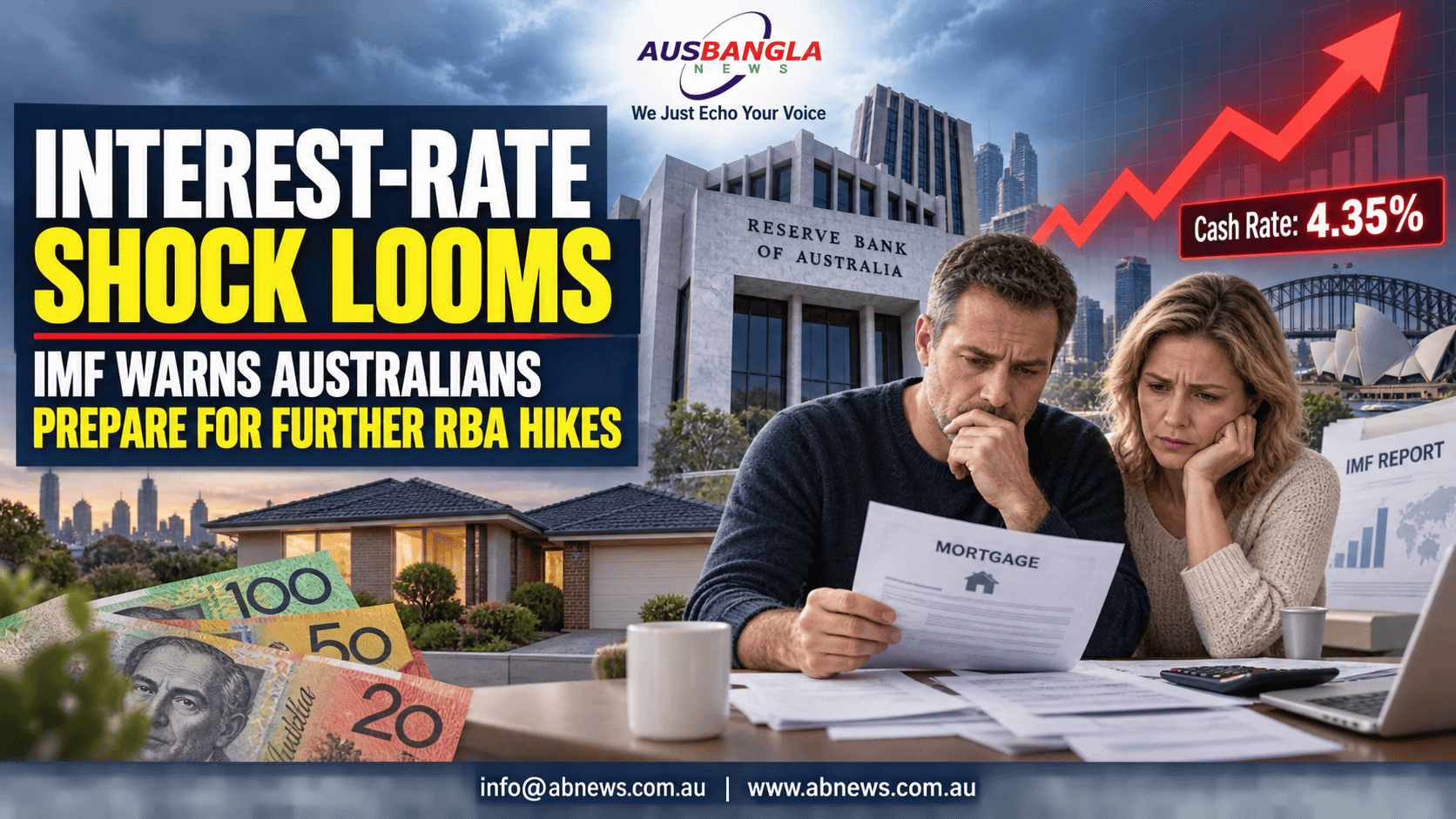

Persistent inflation, surging energy costs and strong domestic demand could force the Reserve Bank to tighten monetary policy again Australian households have been warned to prepare for the possibility of further interest-rate increases after the International Monetary Fund said additional monetary tightening may be required to bring persistent inflation under control.
The IMF expects inflation to gradually return to the Reserve Bank of Australia’s target range of 2–3 per cent. However, it cautioned that rising energy prices, resilient consumer spending and uncertain global financial conditions could keep inflation elevated for longer than previously anticipated.
If those pressures continue, the RBA may have little choice but to increase the cash rate again—placing further strain on mortgage holders, renters and businesses already struggling with high living costs.
Markets expect another increase
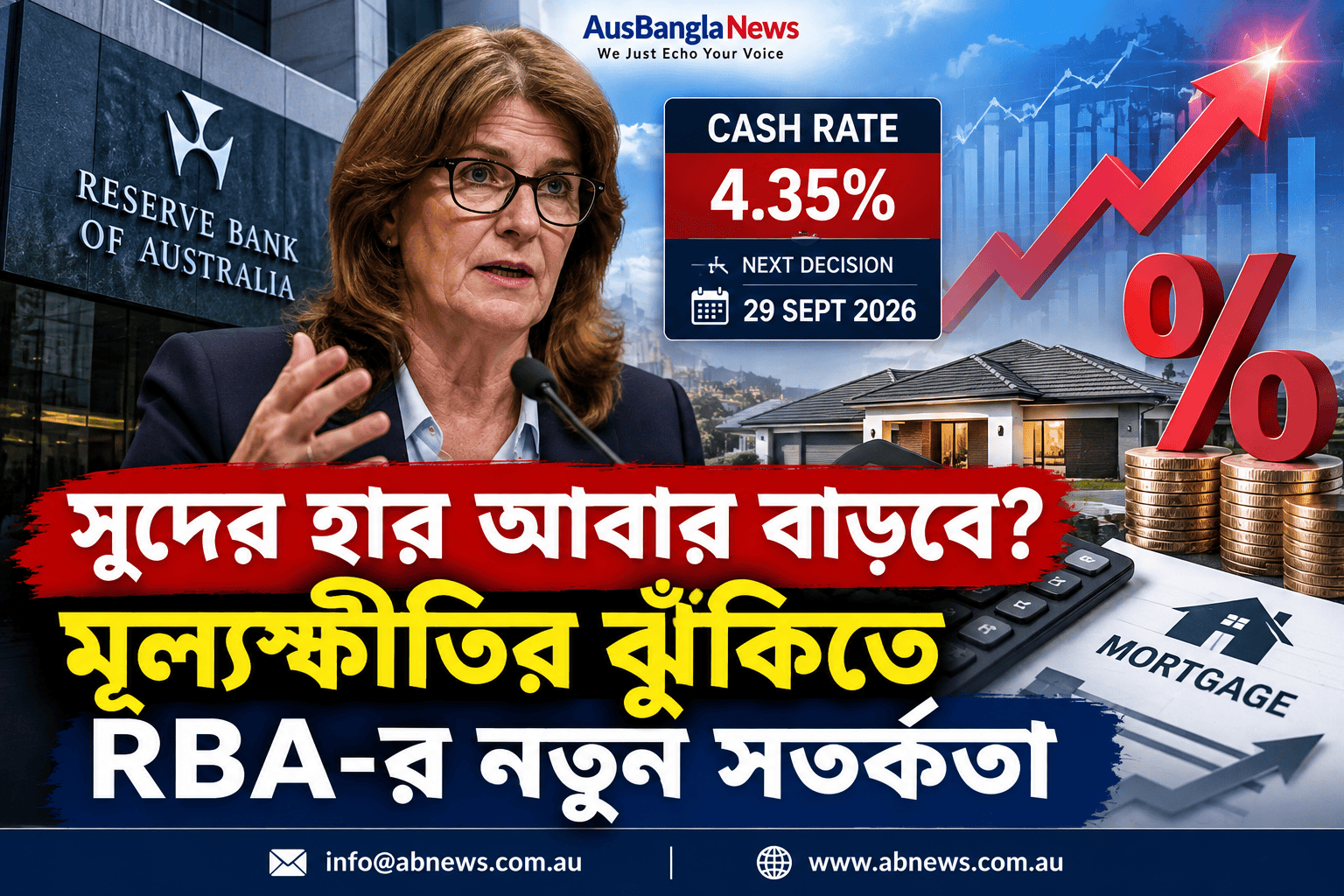
Financial markets are reportedly pricing in an approximately 87 per cent probability of a 0.25-percentage-point increase at the RBA’s next meeting. The cash rate currently stands at 4.35 per cent, with some projections indicating it could reach 4.85 per cent by early 2027.
Major lenders have already begun lifting some fixed mortgage rates, suggesting banks are preparing for borrowing costs to remain higher for longer.
If a quarter-point RBA increase were passed on completely by lenders, a household with a $600,000 variable mortgage could face roughly another $100 in monthly repayments, depending on its interest rate and remaining loan term.
Energy prices intensify inflation pressure
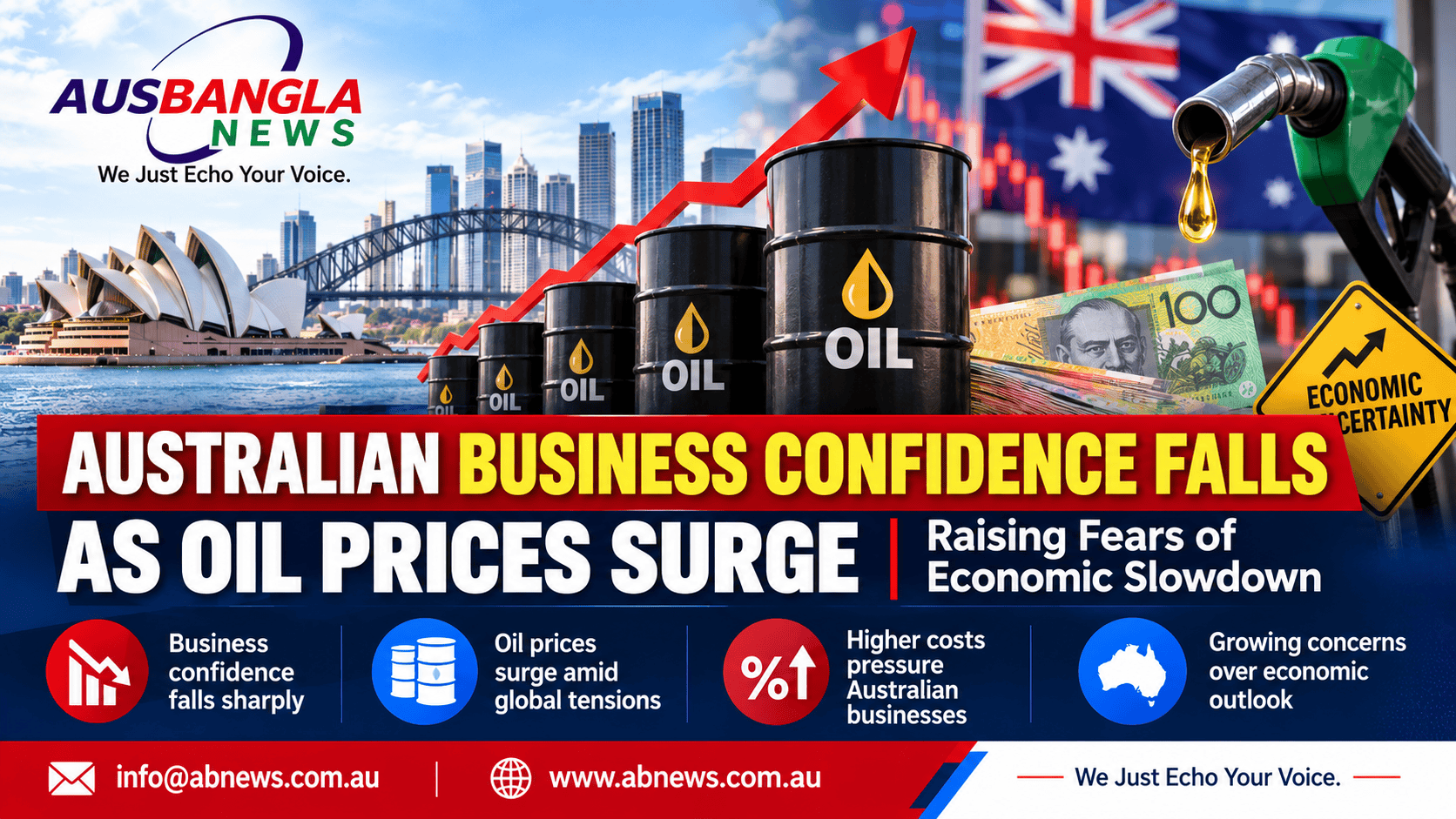
The IMF’s warning follows stronger-than-expected inflation figures, with higher petrol and energy costs contributing heavily to renewed price pressures.
Global energy markets have been disrupted by conflict and geopolitical uncertainty in the Middle East. Higher fuel prices can spread rapidly throughout the Australian economy by increasing transportation, manufacturing and food-distribution costs.
The IMF warned that a prolonged energy shock could also influence public expectations, making workers more likely to seek higher wages and businesses more likely to raise prices.
Governments urged to control spending
The organisation also called on Australian federal and state governments to exercise greater spending restraint. It argued that reducing expenditure growth would support the fight against inflation and lower the need for the RBA to rely solely on interest-rate increases.
The IMF reportedly downgraded its Australian economic-growth forecast to 1.9 per cent in 2026 and 1.6 per cent in 2027, while identifying weak productivity as a major threat to future living standards.
Housing affordability also remains a serious concern. Although governments have announced programs intended to increase construction, the IMF said current measures have not yet produced sufficient improvement.
More pain for households
Another rate increase would affect more than homebuyers. Landlords may attempt to recover higher financing costs through rent increases, while businesses could reduce investment and hiring as borrowing becomes more expensive.
Australians carrying credit-card balances, personal loans or business debt could also face higher repayments.
However, the IMF does not determine Australian interest rates. The independent RBA will make its decision after reviewing inflation, employment, wages, household spending and economic-growth data.
For millions of Australians, the warning nevertheless delivers an uncomfortable message: the anticipated relief from high borrowing costs may be further a

















আপনার মতামত লিখুন :