


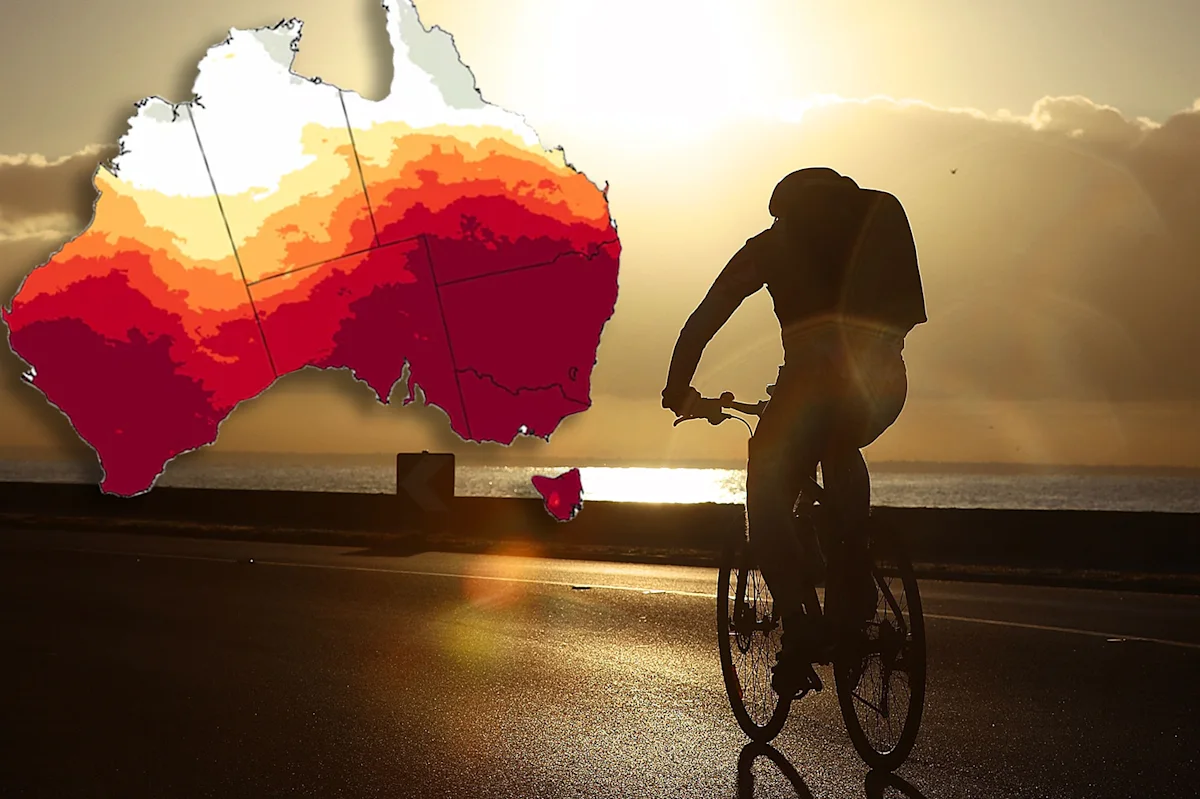

Australians are being warned to brace for a significant shift in weather over the coming months, with a strengthening El Niño and a chance of a positive Indian Ocean Dipole (IOD) combining.
It will increase the risk of hotter, drier conditions across much of the country.
The Bureau of Meteorology (BoM) has already declared an El Niño event in the Pacific Ocean, while a positive IOD is emerging in the Indian Ocean.
If both climate drivers align through late winter and spring, meteorologists say they could reinforce each other, reducing rainfall and pushing temperatures higher.
ABC meteorologist Tom Saunders said the 2026 El Niño was “tracking into uncharted territory”, warning its influence on Australia’s weather is expected to strengthen through the second half of the year.
Sea surface temperatures in the central Pacific have swung from around one degree below average at the start of the year to about two degrees above average, making it the fastest-developing El Niño since 1900.
Even with climate change accounted for, the signal from the Pacific is the strongest on record for late July.
Fire risk emergency board showing an ‘extreme’ warning.
Prolonged warmth and reduced rainfall could dry soils and increase fire danger through spring. Source: Getty Images
What will El Niño’s impact be on Australia?
El Niño occurs when sea surface temperatures across the central and eastern Pacific Ocean become warmer than average, disrupting weather patterns around the globe.
For Australia, it typically brings below-average rainfall, above-average temperatures and an increased risk of drought and bushfires.
One of the clearest signs of the changing pattern is the Southern Oscillation Index (SOI), which measures air pressure differences between Darwin and Tahiti.
The index has recently plunged to nearly -30, well below the El Niño threshold of -7, indicating the atmospheric pattern associated with drier conditions is already firmly established.
Second climate pattern begins to form
At the same time, another climate driver is taking shape on Australia’s west coast.
The Indian Ocean Dipole measures sea surface temperature differences across the tropical Indian Ocean.
During a positive phase, waters near Indonesia become cooler than average while waters off eastern Africa warm, limiting the moisture available to Australia. # Yahoo

























আপনার মতামত লিখুন :