




Business confidence falls to one of its weakest levels on record as rising fuel costs, higher interest rates and global uncertainty squeeze Australian companies. Australia’s business confidence has deteriorated sharply, with a new National Australia Bank (NAB) survey revealing growing pessimism among businesses struggling with elevated fuel prices, higher interest rates and global economic uncertainty.
The latest NAB Monthly Business Survey, released on Tuesday, 13 October, shows business confidence fell four points to minus 13 in September, marking its third consecutive monthly decline. The result is 18 points below the long-term average and ranks among the weakest 5% of readings in the survey’s history. The findings raise fresh concerns about Australia’s economic outlook, particularly for small businesses, the construction industry, retailers, transport operators and employers facing increasing operating expenses.
One of the major concerns facing Australian businesses is the continued volatility in global oil markets. Heightened tensions in the Middle East, particularly around energy infrastructure and shipping routes, have contributed to elevated international crude oil prices. Brent crude remained above US$100 per barrel in recent trading, although prices eased on 13 October as markets assessed possible additional fuel supplies. Reuters reported Brent trading around US$105 per barrel during Tuesday’s session.
Higher oil prices can affect the broader Australian economy through increased transport and distribution costs, more expensive diesel for construction and agriculture, and higher delivery costs for food and consumer products. For small and medium-sized businesses, these additional costs can be particularly difficult to absorb when customer spending is already under pressure.
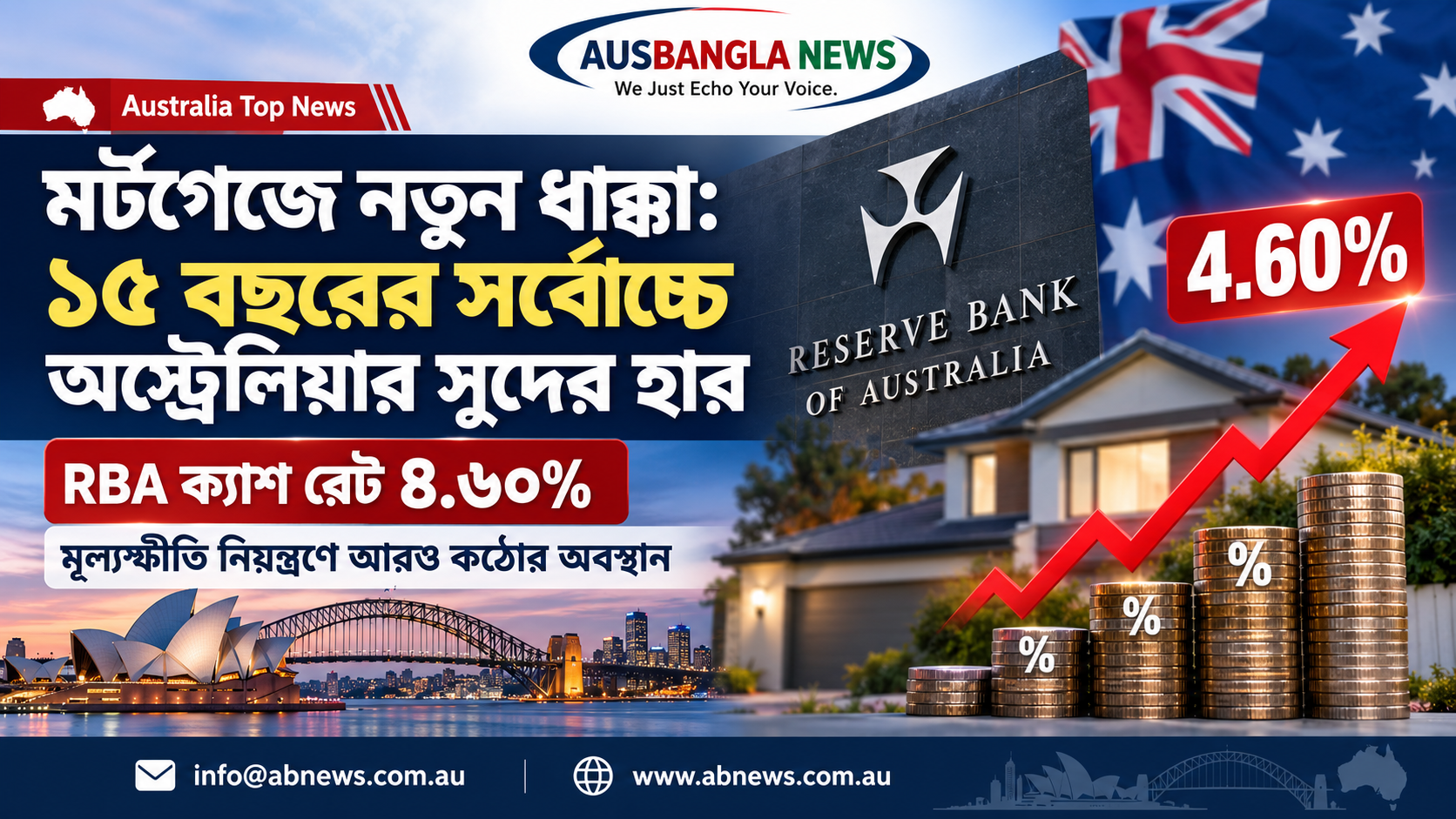
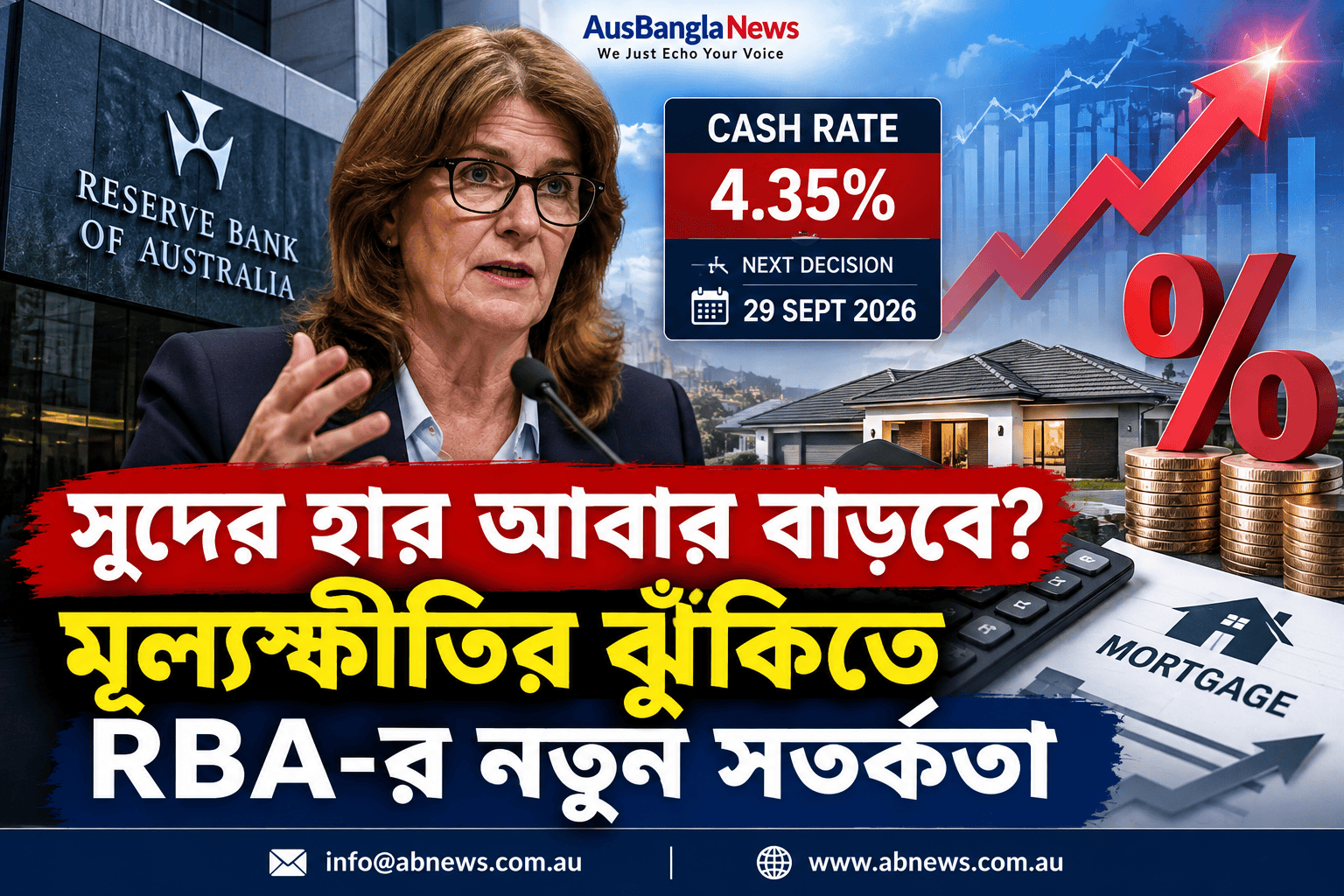
Higher interest rates add another challenge
Australian businesses are also managing higher borrowing and financing costs. Companies that rely on commercial loans, equipment finance or property lending may face increased repayment expenses, while households with mortgages have less disposable income available for shopping, dining and discretionary purchases. This combination can weaken business revenue at the same time that operating costs are increasing. According to NAB Head of Australian Economics Gareth Spence, businesses are being pressured simultaneously by domestic interest-rate and inflation conditions, international uncertainty and elevated fuel costs. NAB warned that persistently weak confidence could influence future hiring, investment and business spending decisions.
Employment conditions show concerning signs
While overall business conditions remained unchanged at minus one index point, the survey found that the employment component fell by three points, reaching its weakest level in five years. This is an important warning signal because declining business confidence can cause employers to delay recruitment, reduce planned expansion and reconsider new investments.
However, a weaker survey employment index does not automatically mean that employment across Australia has declined by the same amount. The NAB findings indicate growing caution among employers rather than establishing that Australia has entered a recession.
Western Australia remains stronger than eastern states
The survey also revealed significant differences between states. Western Australia’s trend business conditions remained comparatively strong at plus 16, while New South Wales recorded zero, Queensland minus one and Victoria minus three.
Queensland’s business conditions fell four points, bringing the state closer to the weaker conditions experienced across much of the eastern seaboard. These differences suggest that Australia’s economic slowdown is not affecting every region equally.
What does this mean for Australian households?
Weak business confidence combined with elevated energy costs can create wider consequences for consumers.
Households could face continued pressure from transport and delivery expenses, while businesses may attempt to recover rising operating costs through higher retail prices. At the same time, slower recruitment and restrained business investment could affect income growth and employment opportunities.
The International Monetary Fund has also examined a scenario in which further Middle Eastern supply disruptions push global crude oil prices towards US$130 a barrel by early 2027. Under that scenario, Australian petrol prices could rise by approximately 30 cents per litre. This is a conditional risk scenario, not a confirmed forecast of future petrol prices.
What business owners should watch next
Australian businesses will need to pay close attention to fuel-price movements, the Reserve Bank’s interest-rate decisions, changing consumer demand and their own operating cash flow. Construction, hospitality, transport, logistics, retail and manufacturing businesses may face different levels of exposure depending on their energy requirements, staffing costs and reliance on borrowed funds. Despite the difficult environment, NAB reported that some businesses are continuing to invest where customer demand and commercial returns justify the expenditure. This indicates that business activity has not stopped, even though confidence remains exceptionally weak.
The latest NAB findings highlight a growing challenge for Australia’s economy: businesses are simultaneously confronting elevated input costs and weaker expectations for future economic activity. Higher fuel prices can contribute to inflation, while higher interest rates and weaker consumer demand can slow economic growth. This creates a difficult balance for policymakers, who must consider both inflation risks and the possibility of softer employment and business investment. For Australian families, small-business owners and the wider migrant business community, the central concern is whether these pressures persist into the final quarter of 2026.
The important distinction is that business confidence has fallen sharply, but the survey does not establish that Australia is already in recession.






















আপনার মতামত লিখুন :