



An exploration of abandoned mine shafts left largely undisturbed for more than 80 years has led Australian researchers to discover something unexpected.
Toxic materials thought to be locked away inside stable minerals have been exposed to the elements across waste sites.
The discovery was made by Monash University and CSIRO researchers at the old Mount Painter mine, in the northern Flinders Ranges of South Australia.
The area is now part of the protected Arkaroola Wilderness Sanctuary, a privately-owned 610-square-kilometre eco-reserve.
It had previously been thought that uranium and rare-earth elements were housed safely within insoluble materials and couldn’t be spread by groundwater.
But the researchers have found evidence that microbes are consuming the material and transforming it into nanoparticles, which can easily move through the soil.
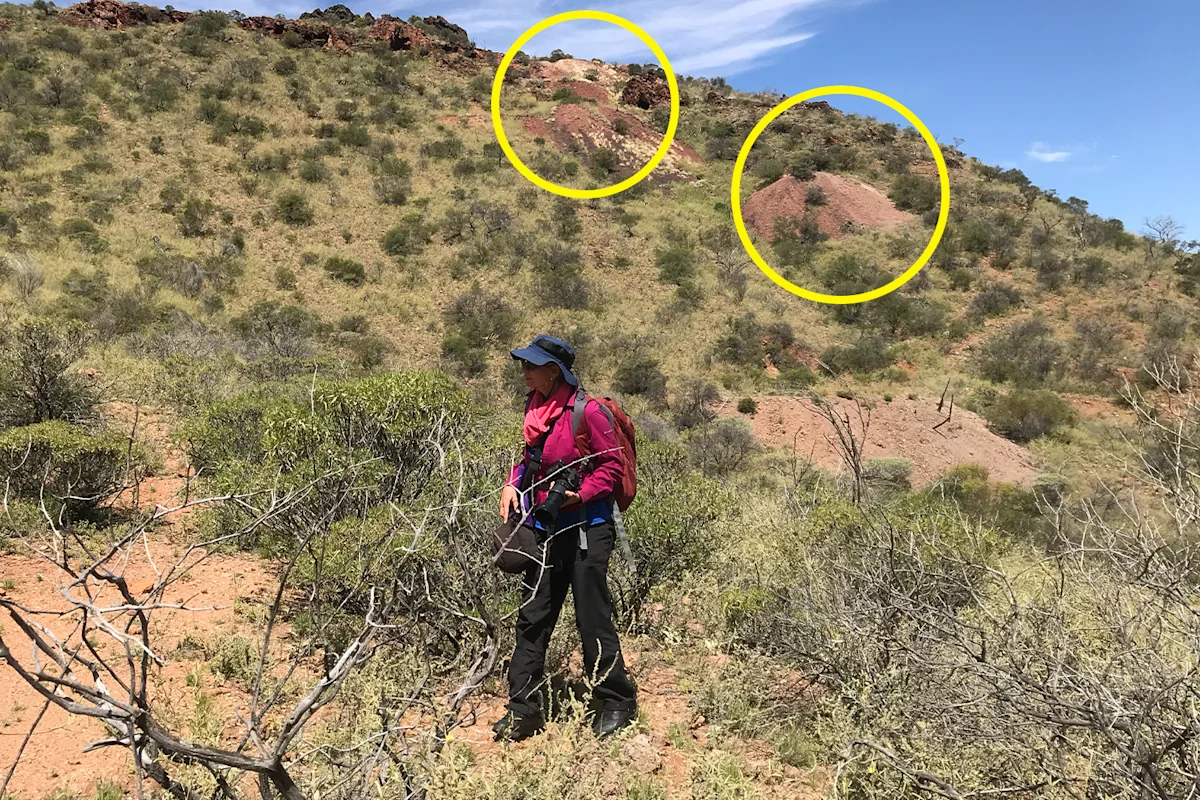
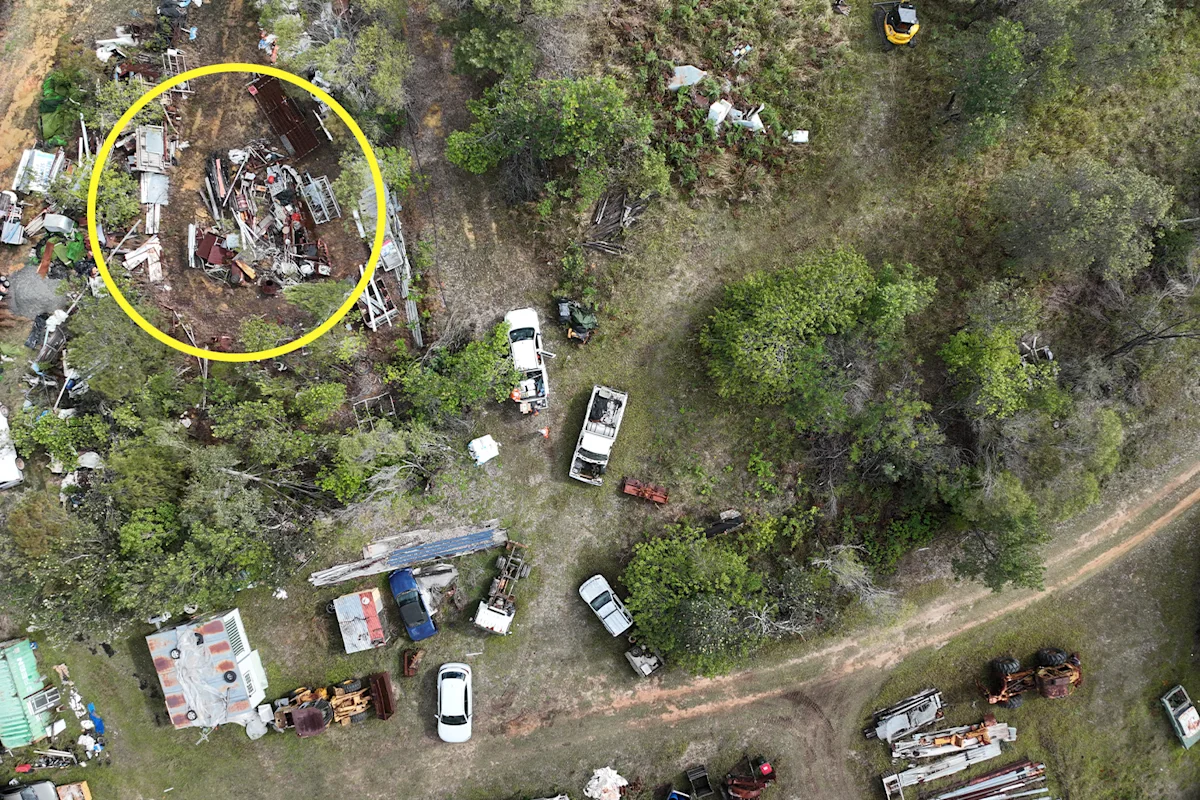
A circled piece of green uranyl phosphate mineral on the ground at the mine site.
Look closely, and you’ll notice small deposits of green uranyl phosphate minerals like radioactive meta-torbernite near the surface. We’ve circled one, but there are three more in the picture.
Close-up of radioactive Meta-torbernite collected from the mine site.
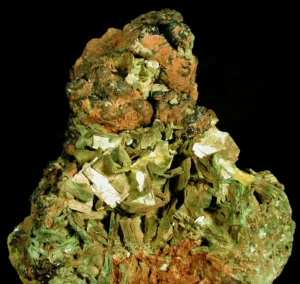
A fragment of radioactive Meta-torbernite collected from the mine site.(Monash University)
In areas with the greatest levels of microbial diversity, researchers also found high levels of nanoparticles, suggesting a direct link between the two.
The research has been published in the Journal of Hazardous Materials.
Microbes could impact Australia’s mining expansion plans
Monash University Professor of Synchrotron Geosciences, Joël Brugger, explained that they are working like “microscopic factories”, breaking down stable minerals into forms that can easily be dispersed throughout the environment.
“We have traditionally assumed that these toxic metals were securely locked away by nature in these arid environments, but these tiny organisms are proving us wrong,” he said.
Speaking later with Yahoo News, Professor Brugger said he was “genuinely surprised” by the finding because similar studies overseas had shown materials like uranium phosphate were “super stable”.
“The feedback was generally that similar studies had been done in the United States and they’d found nothing, and the results will be really boring”, he said.
“But Australian soils appear to be a little bit more complicated, and the climate is obviously quite different.”
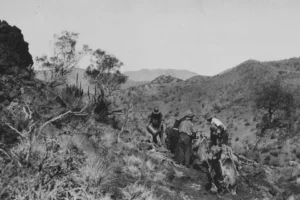
A photo from around 1925 showing miners loading ore at the site.
Miners loading ore at the site in the mid-1920s. (Monash University)
Australia has positioned itself as a hub for rare-earth mining, which could supply the United States with materials for the transition to greener energy sources.
Professor Brugger has warned that the impact of microbes must be factored into waste management processes to prevent damage to the landscape.
“Understanding exactly how these native microbes interact with waste materials is absolutely vital if we want to prevent unseen, long-term environmental contamination, and develop the sustainable mine of the future,” he said.
#Yahoo





















আপনার মতামত লিখুন :